



Premium acrylic yarn
Superior quality, suitable for hand-knotted and machine-made carpets.
- Composition
- Acrylic
- Use
- Hand-knotted and machine-made carpets
Acrylic yarn manufacturer · Kashan, Iran
Over two decades of experience in the textile industry — with quality control at every stage, from fiber to packaging.
Two decades of experience — quality control from fiber to packaging.
Our partners
Achieve the best yarn quality for your production with us
Logos of carpet brands that have worked with Bayer Spinning
About us
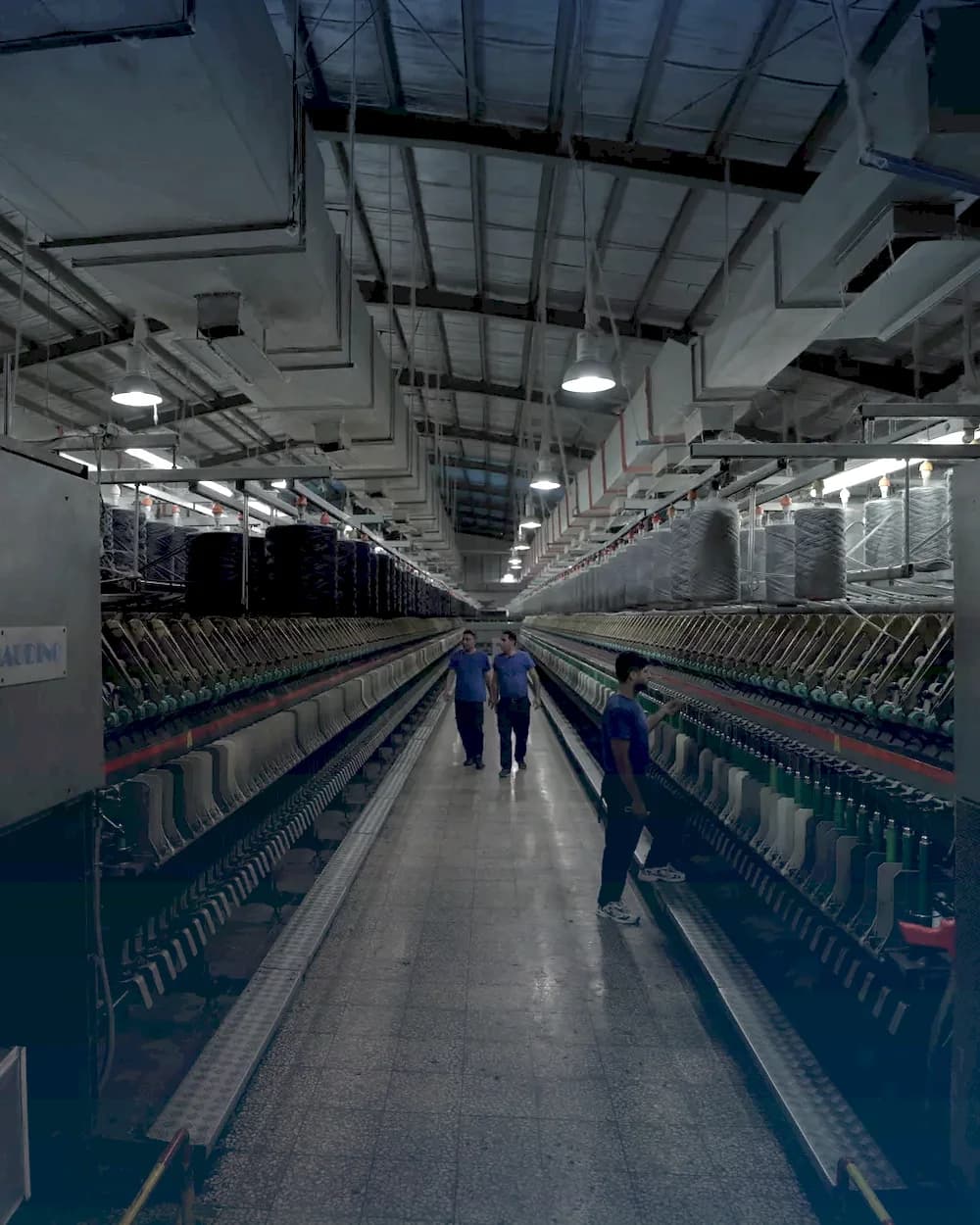
Bayer Kashan Spinning began operations in 2003 and reached full production in 2008 with dyeing, spinning, and heat-set machinery for long-staple yarns.
In recent years, the company has modernized its machinery and infrastructure, and it is now capable of producing yarns equivalent to 50/3 high-bulk or heat-set. This would not have been possible without first-grade raw materials such as Akpa fibers and Henkel (Germany) additives, along with an experienced team.
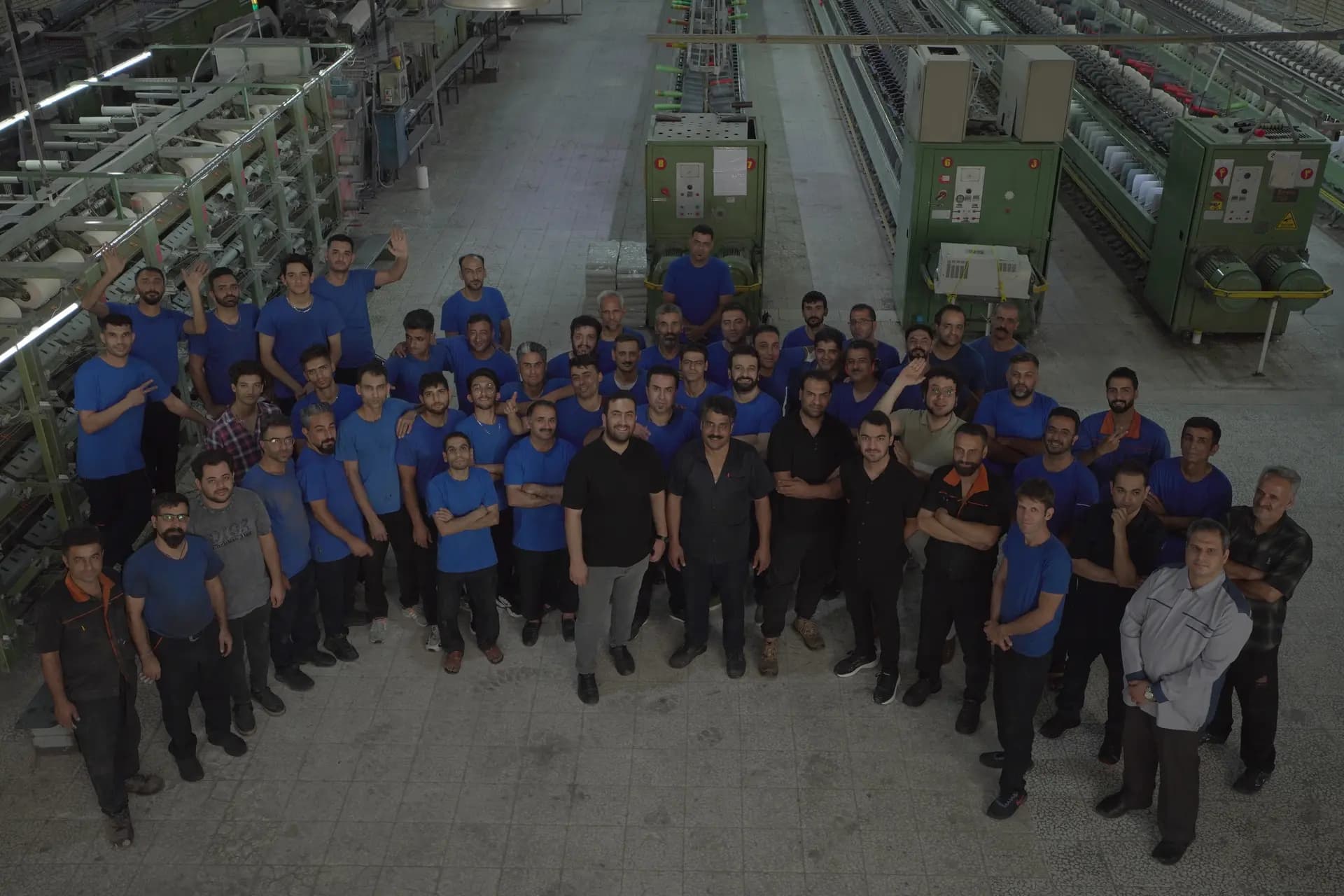
Bayer Kashan Spinning began operations.
Dyeing, spinning and heat-set machinery for long-staple yarns.
Upgraded machinery and infrastructure — now producing yarns equivalent to 50/3 high-bulk or heat-set.
A second Bayer spinning unit in Amir Kabir Industrial Town, being prepared for commissioning.
Production process
Quality control at every stage — the path Bayer acrylic yarn takes from raw material to the delivered package.
Quality starts with the raw material: first-grade acrylic fibers such as Akpa, together with high-quality additives.
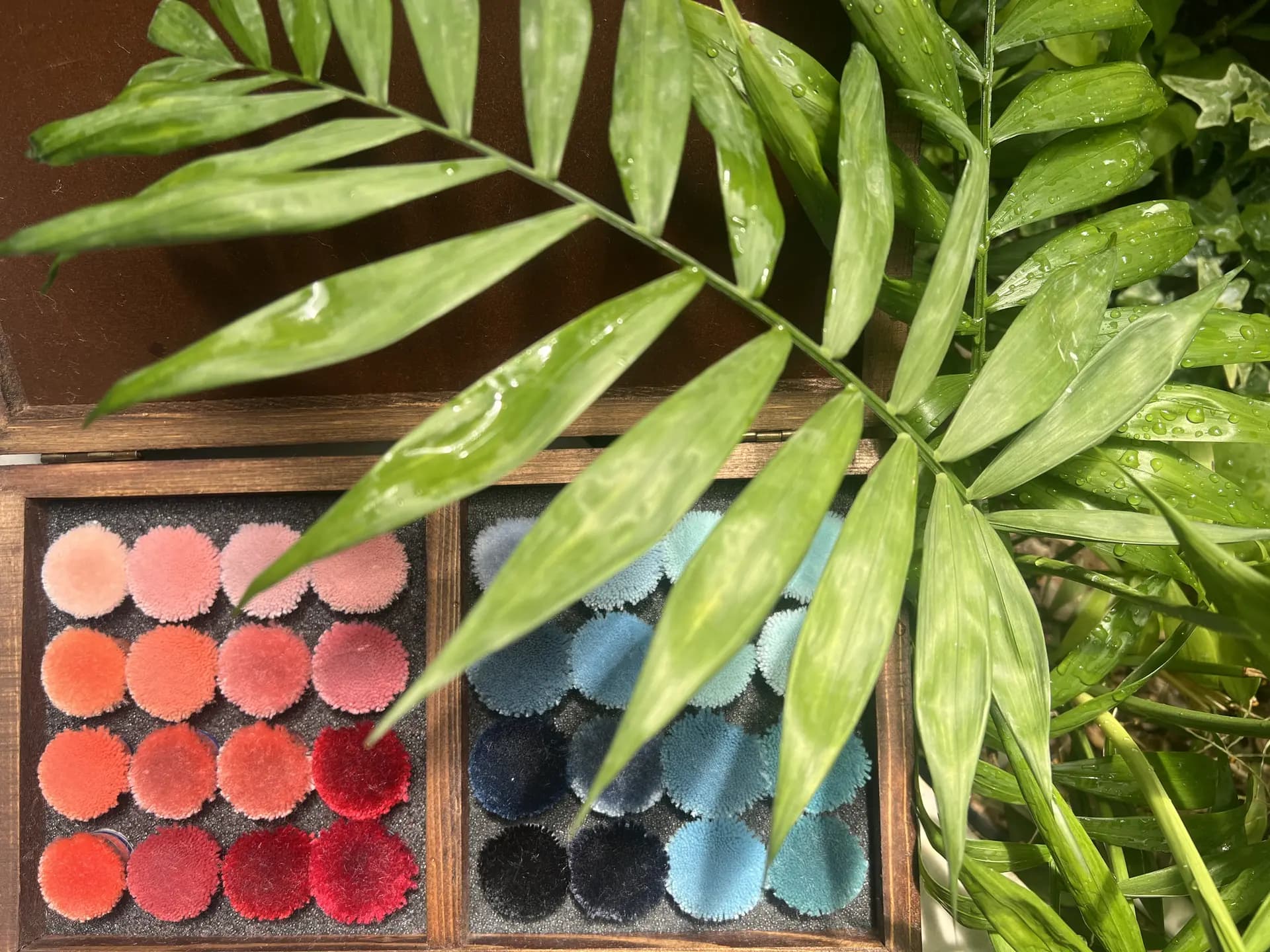
The company’s dyeing unit makes the most of acrylic’s high dyeability to produce uniform shades.
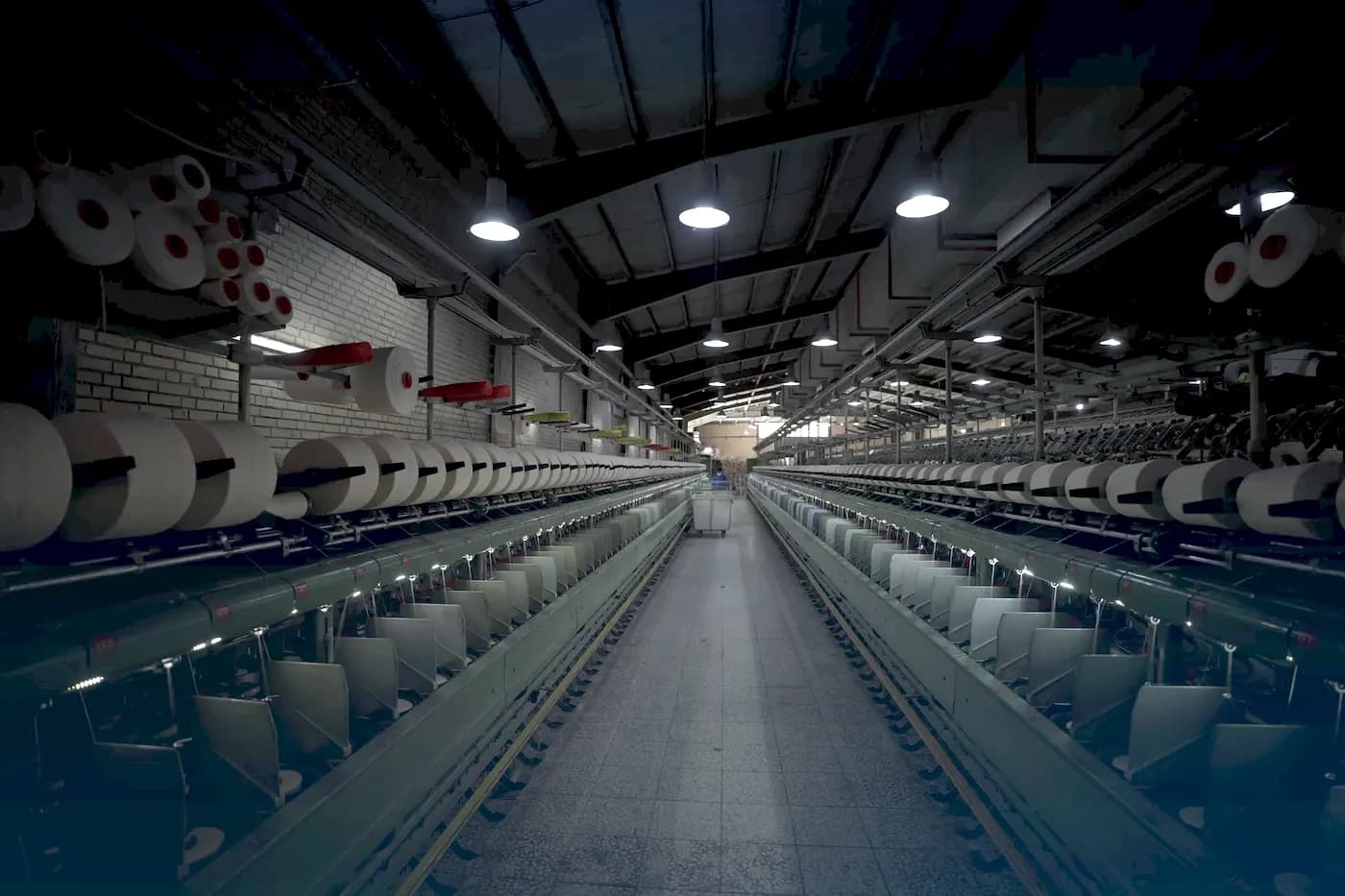
Fibers become yarn of the right count and twist, including long-staple yarns equivalent to 50/3.
Steam and heat stabilize the twist and develop the bulk of hi-bulk and heat-set yarns.
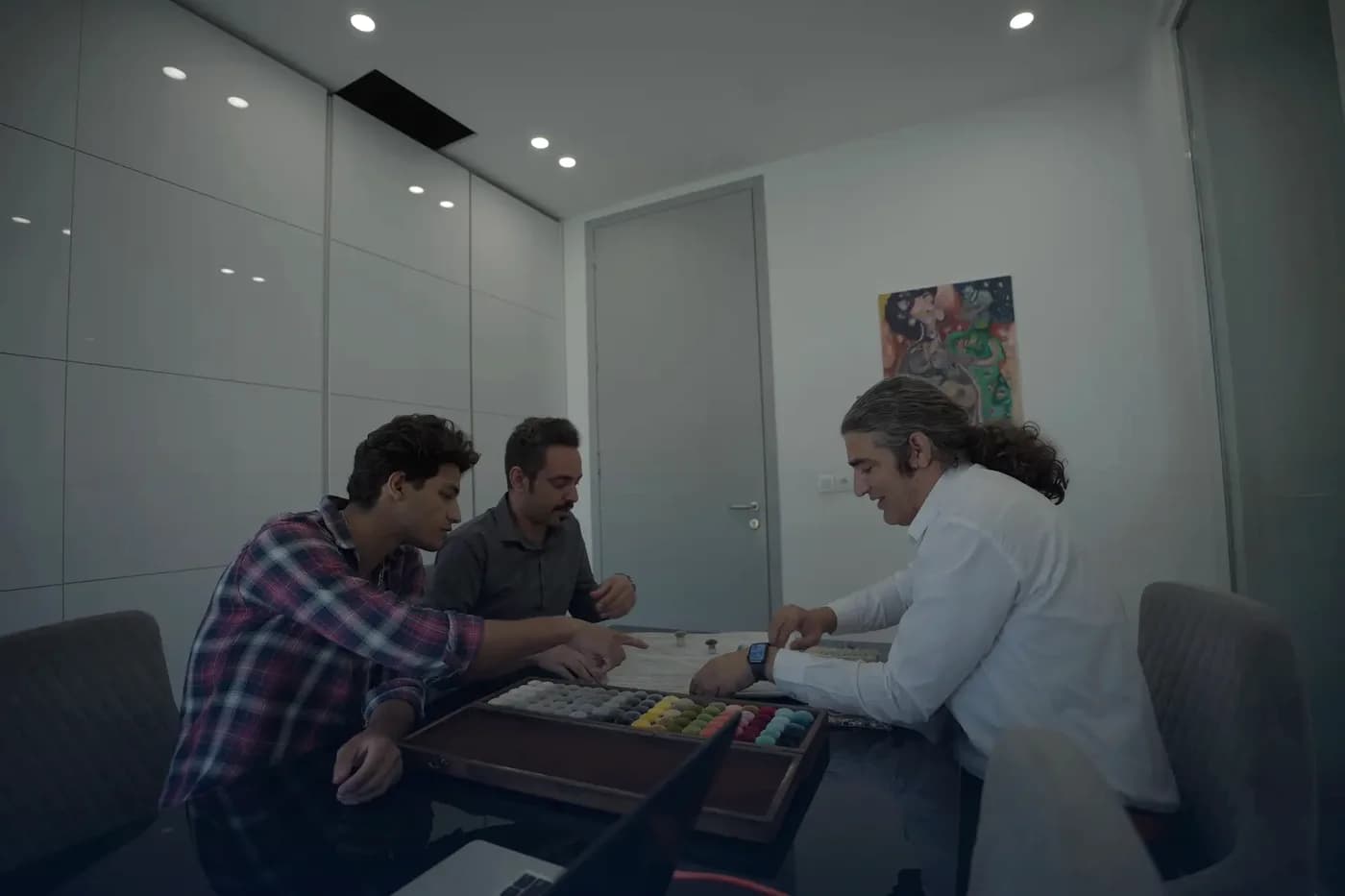
Checks at every stage, from fiber to packaging, for consistent quality in every shipment.
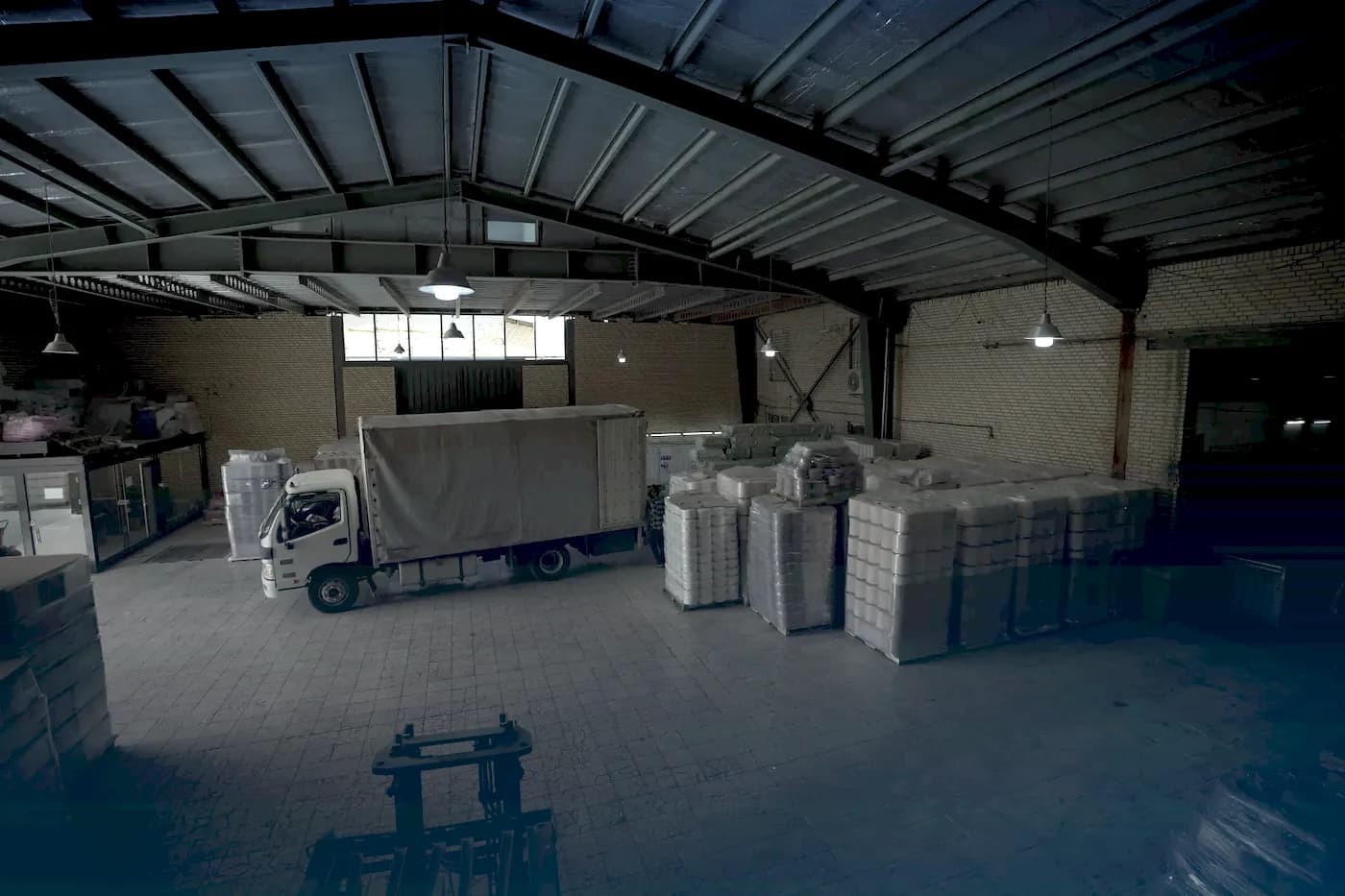
Secure packaging and on-time delivery to domestic and export markets.
Quality assurance, on-time delivery, and professional service
Gallery
As a producer of exquisite carpets, Zarbaf attaches great importance to the quality of its raw materials. Bayer Spinning has always been a reliable partner by supplying high-quality and durable yarns, helping us bring our products to market with the highest standards.
Relying on Bayer’s high-quality yarns, Barsam Spinning has improved its production processes and brought quality products to market. Our cooperation has always been positive and constructive, enhancing the level of our production.
Products
A focus on fully acrylic yarns with uniform quality and high dyeability, alongside blended yarns for diverse applications — supplied to meet domestic and export demand.
Superior quality, suitable for hand-knotted and machine-made carpets.
Acrylic blended with durable fibers for diverse applications.
Processing capabilityYarns equivalent to 50/3 hi-bulk or heat-set, made with the company’s own dyeing, spinning and heat-set units.
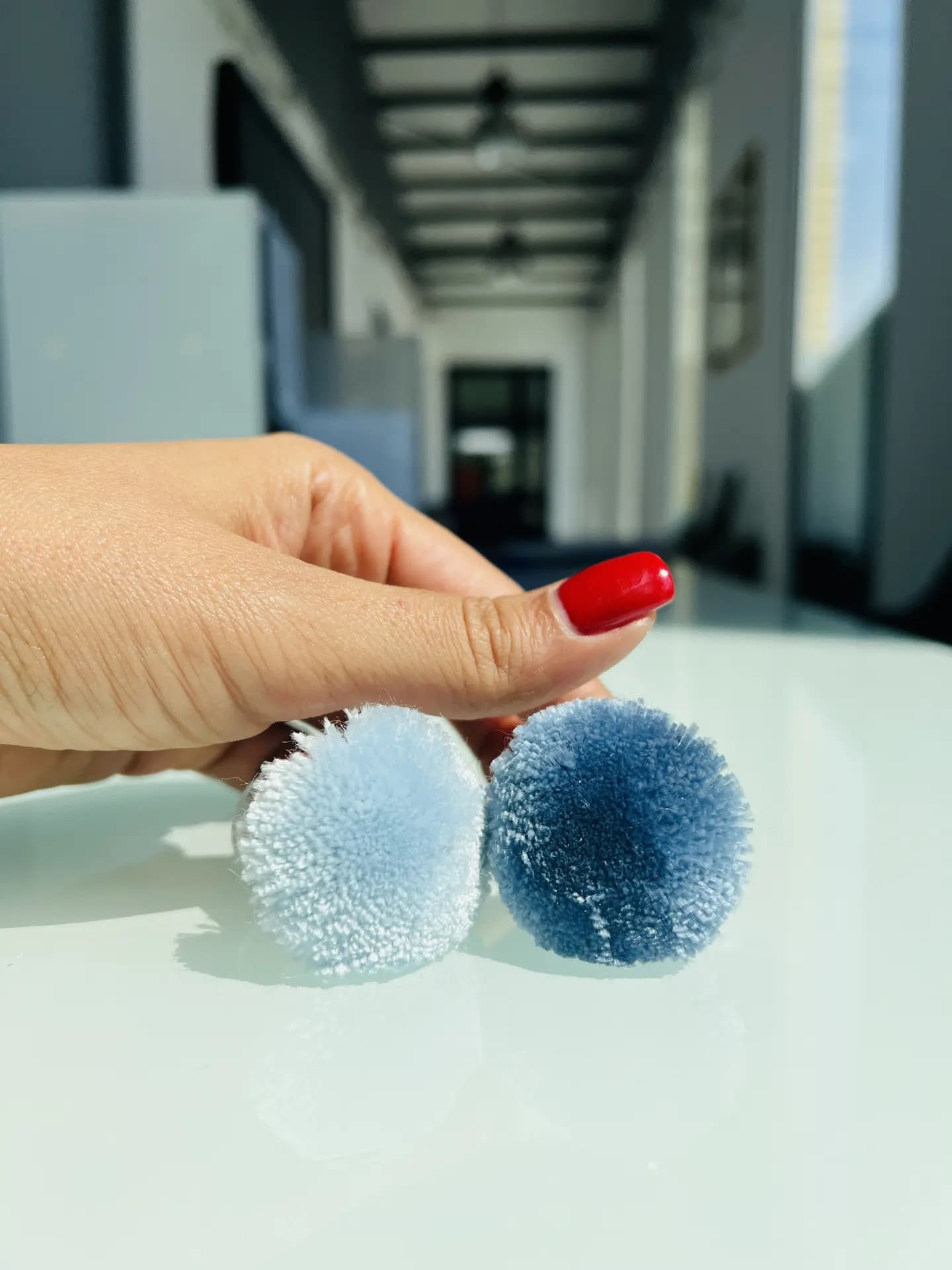
With the company’s own dyeing unit, yarn is produced in many colors. Pick a sample shade (illustrative).
Selected shade: Blue
Technical tool
Enter the single-yarn count and the number of plies — see the resulting yarn count in Nm, Tex, Ne and denier, and watch the plied structure take shape.
The conversions between systems are exact; for plied yarn, twist contraction is not included (the real tex is slightly higher). The thickness and twist in the picture are illustrative.
This tool converts a nominal yarn count between four systems using standard definitions. In Nm and Ne a higher number means a finer yarn; in Tex and denier a higher number means a thicker yarn.
Contact Us
For more information or to place an order, get in touch with us.